Chemical Peel Treatment Protocols
The Dermo-Functional Protocol Logic
Chemical peeling should not be approached as a collection of isolated products, but as a structured clinical sequence. The most coherent protocols evolve through three complementary phases: correction, stabilization, and maintenance.
Correction
The active therapeutic phase targeting the visible disorder or functional imbalance through indication-specific intervention.
Stabilization
The phase that consolidates the result, reduces inflammatory or pigmentary rebound, and supports functional re-equilibration.
Maintenance
The long-term phase designed to preserve results over time, prevent relapse, and integrate continuity into the clinical routine.
Each protocol is therefore read as a sequence rather than as a single act. Products and phases are not interchangeable and must be chosen according to their role within the clinical strategy.
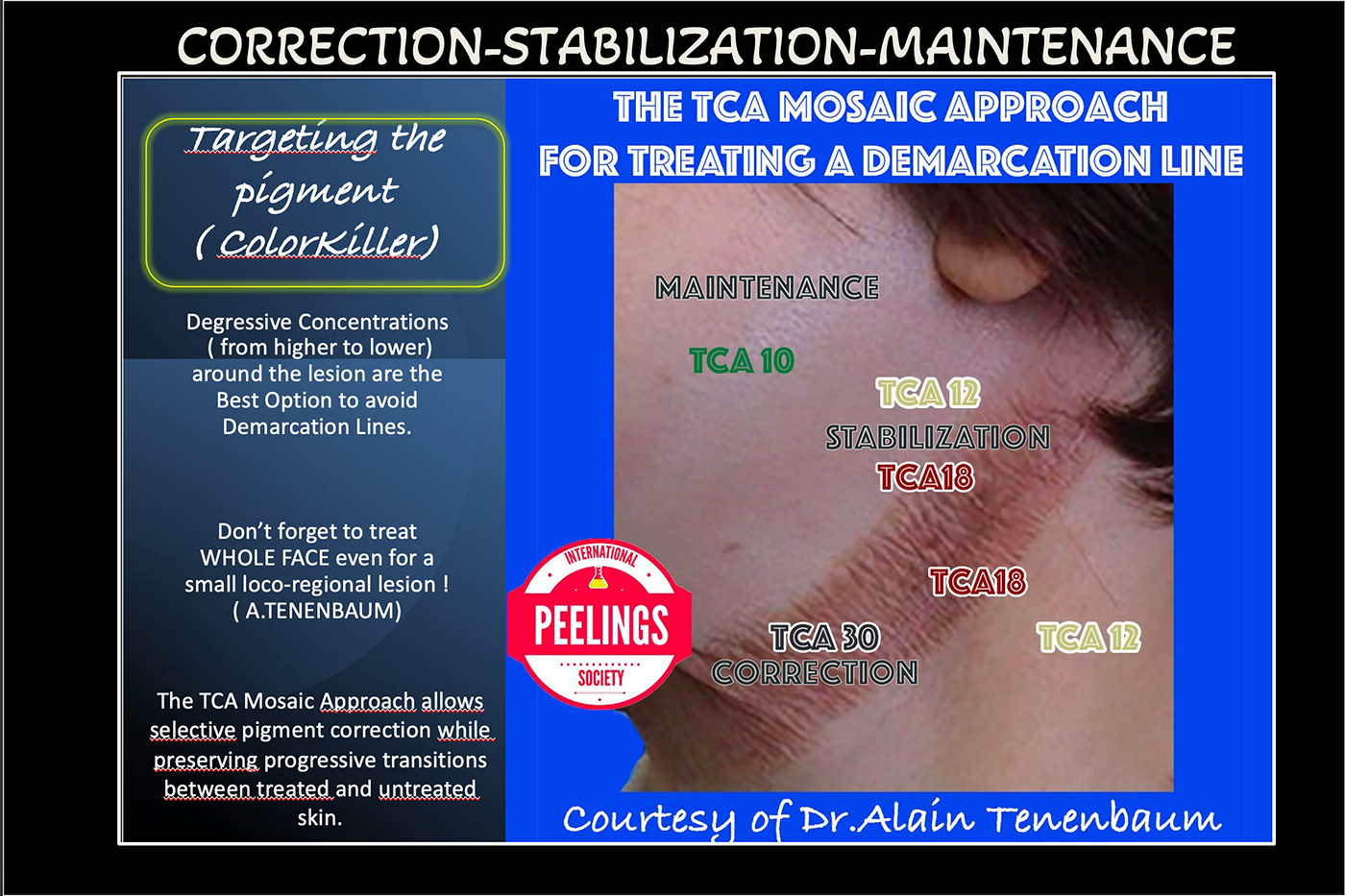
How to read this illustration
This illustration represents the Correction phase of a protocol-driven approach, showing how active treatment may be localized and adjusted according to the clinical objective. In practice, however, chemical peel protocols are organized within a broader dermo-functional continuum — Correction → Stabilization → Maintenance — using phase-specific clinical tools.
Clinical Tools by Phase
Each phase of the dermo-functional continuum relies on a dedicated product role within the protocol and should not be understood as interchangeable care.
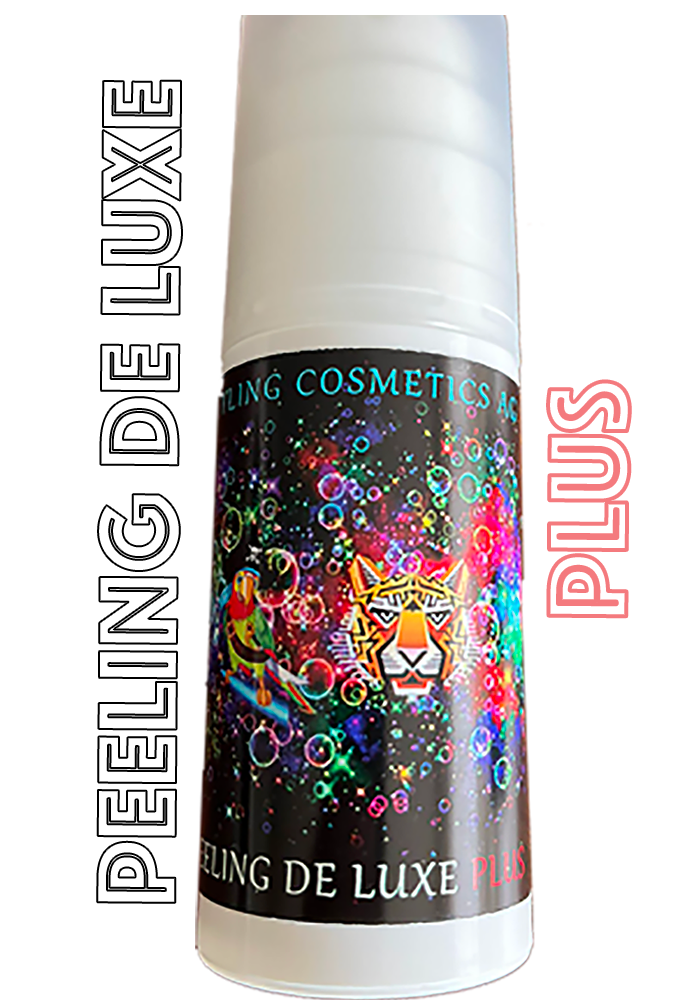
Peeling de Luxe Plus
Main correction tool used when the protocol requires active clinical intervention directed at the primary indication.
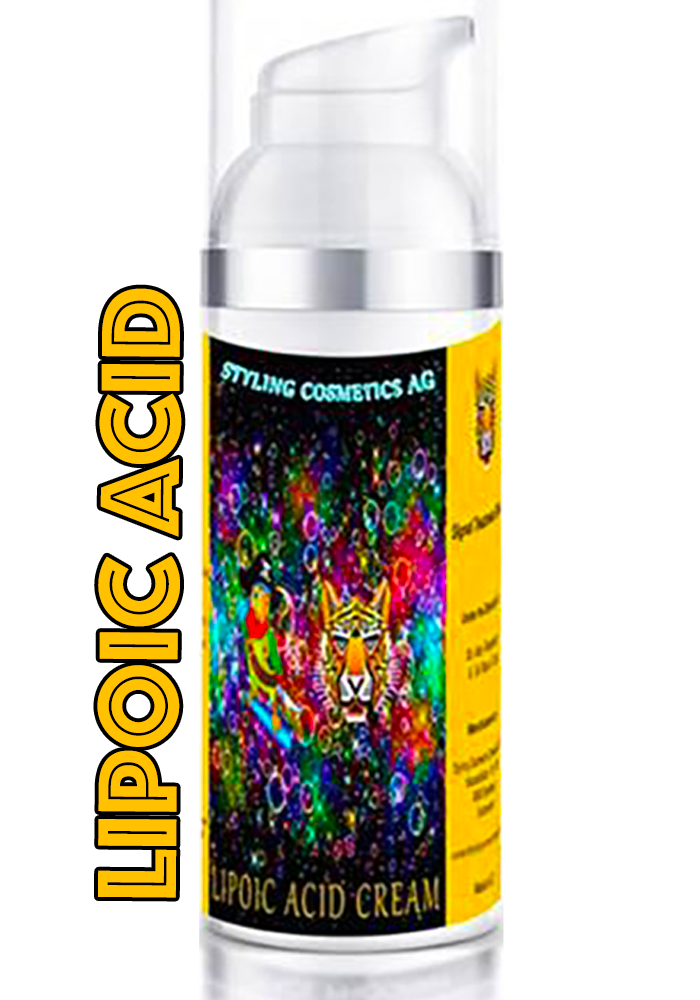
Lipoic Acid
Functional stabilization tool used to support controlled normalization and reduce rebound risk after correction.
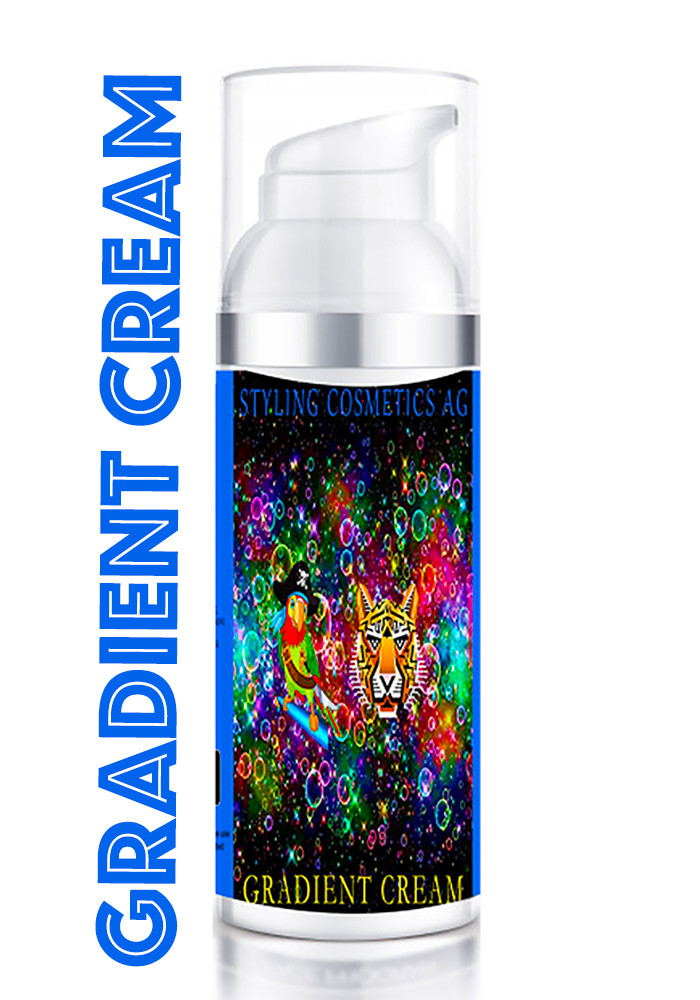
Gradient Cream
Long-term maintenance tool designed to preserve gains, support skin balance, and extend protocol continuity.
These examples illustrate phase-specific roles within the protocol logic. Final product selection always depends on the indication, treatment phase, and clinical rationale.
Protocol Logic Summary
Each clinical protocol on this platform is designed around indication-specific correction, functional stabilization, and long-term maintenance. The objective is not to collect isolated procedures, but to offer a coherent therapeutic architecture in which products, protocol phases, and clinical indications remain clearly distinguished.